
Why do thieves hate dowel rods?
The question comes up in every home-security thread, and the answer is simple: a wooden dowel rod laid in the bottom track of a sliding glass door or window stops the panel from sliding, whatever happens to the lock. Burglars test sliding doors and windows first because the factory latch is the weakest door lock in the house and the most common point of entry after an unlocked door.
How the dowel rod trick works
A sliding door opens by moving along a track. Lay a rod of wood in the track behind the moving panel, cut to the exact length between the panel and the frame, and the panel cannot travel even if the latch is forced, the glass is pried or the door is lifted off its rollers. Thieves hate it because it is invisible from outside, costs a few dollars, cannot be picked and gives them no quiet way in. The same trick secures a sliding window with a shorter dowel in the lower track, and a metal bar or a commercial charlie bar does the same job on the inner frame at waist height.
How to cut and fit one
- Buy a hardwood dowel rod of about 3/4 to 1 inch diameter from the lumber aisle.
- Close and lock the door, then measure the open track from the edge of the moving panel to the frame.
- Cut the dowel 1/8 inch shorter so it drops in and lifts out easily, and sand the ends.
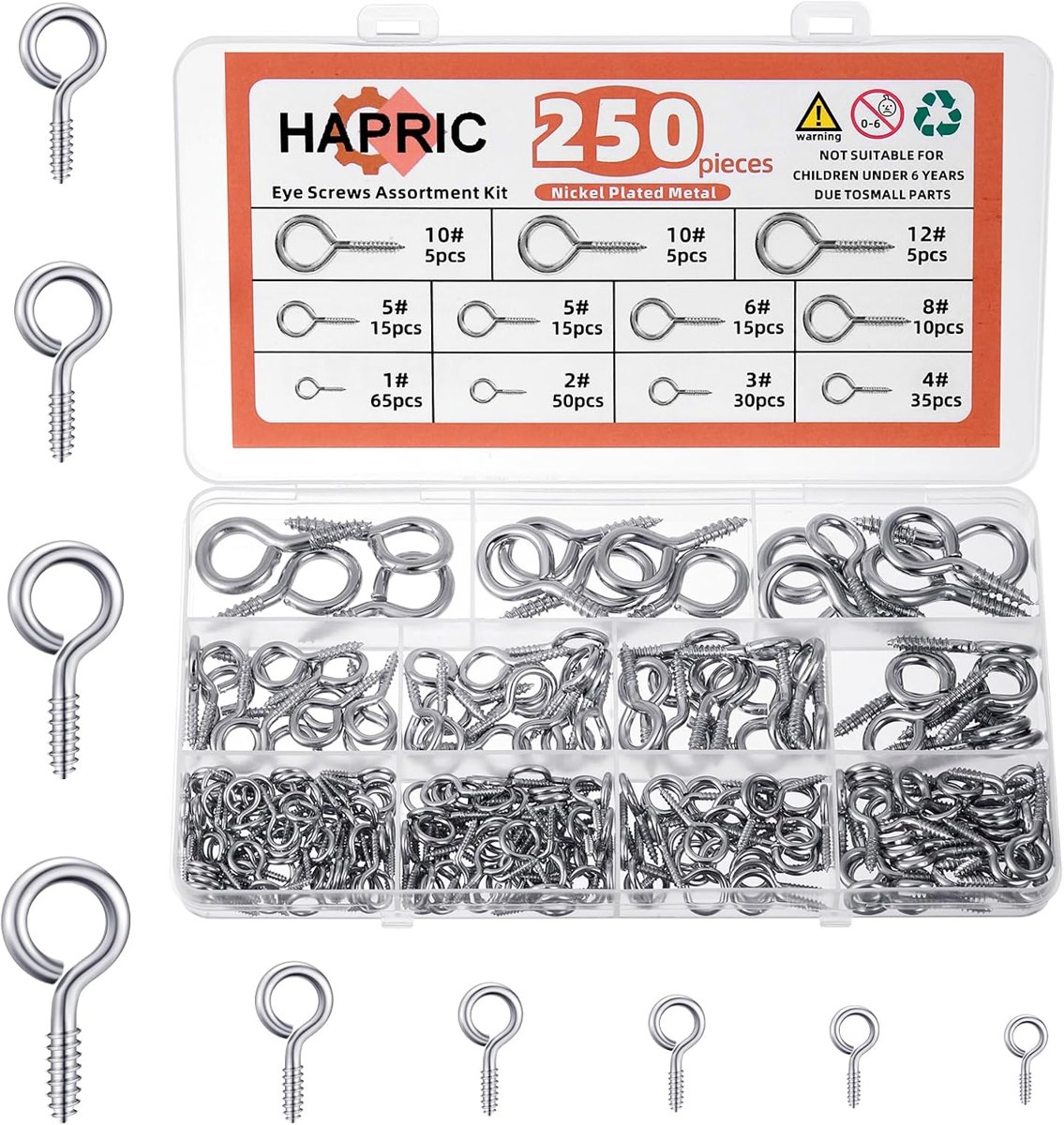
- Drive a screw eye into one end as a handle, or paint the rod to match the frame.
- Keep a second rod installed in the window a burglar would try next, and tell the neighbors who hold your spare key where the rods live.
A dowel that is too short leaves room for the panel to open a hand's width; a dowel that is too long will not drop into the track. Measure twice.
The rest of the list burglars hate
None of these is a security system, and together they make the house next door the easier target:
- Doors and windows locked, including the second floor and the garage side door.
- A secondary lock on every sliding door: the dowel, a pin through the frame, or a bar.
- Lights on a timer inside and motion lights on the exterior.
- A car in the driveway, or a neighbor who parks there while you are away.
- Valuables kept out of sight of the window, and the box from the new television folded into the trash instead of left at the curb.
- Trimmed shrubs under windows, so there is nowhere to work unseen.
- A dog, or at least the sign for one, and a doorbell camera.
- Neighbors who notice someone they do not know and are willing to say so.
Most break-ins are opportunistic. The intruder tries the handle, finds it unlocked or finds a vulnerable slider, and is gone in minutes; anything that costs time or makes noise sends them to another house.
What our dowel pins are for
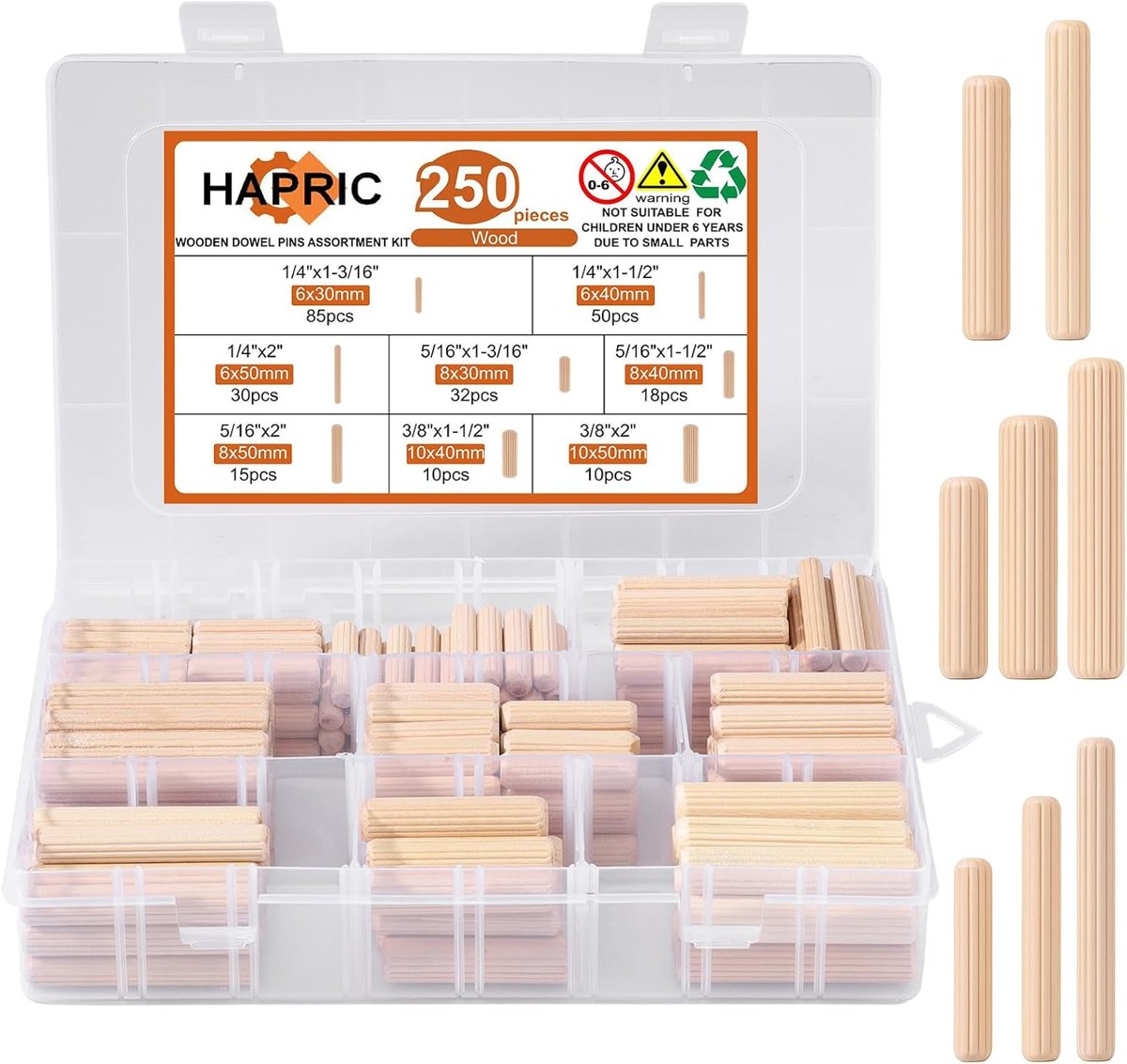
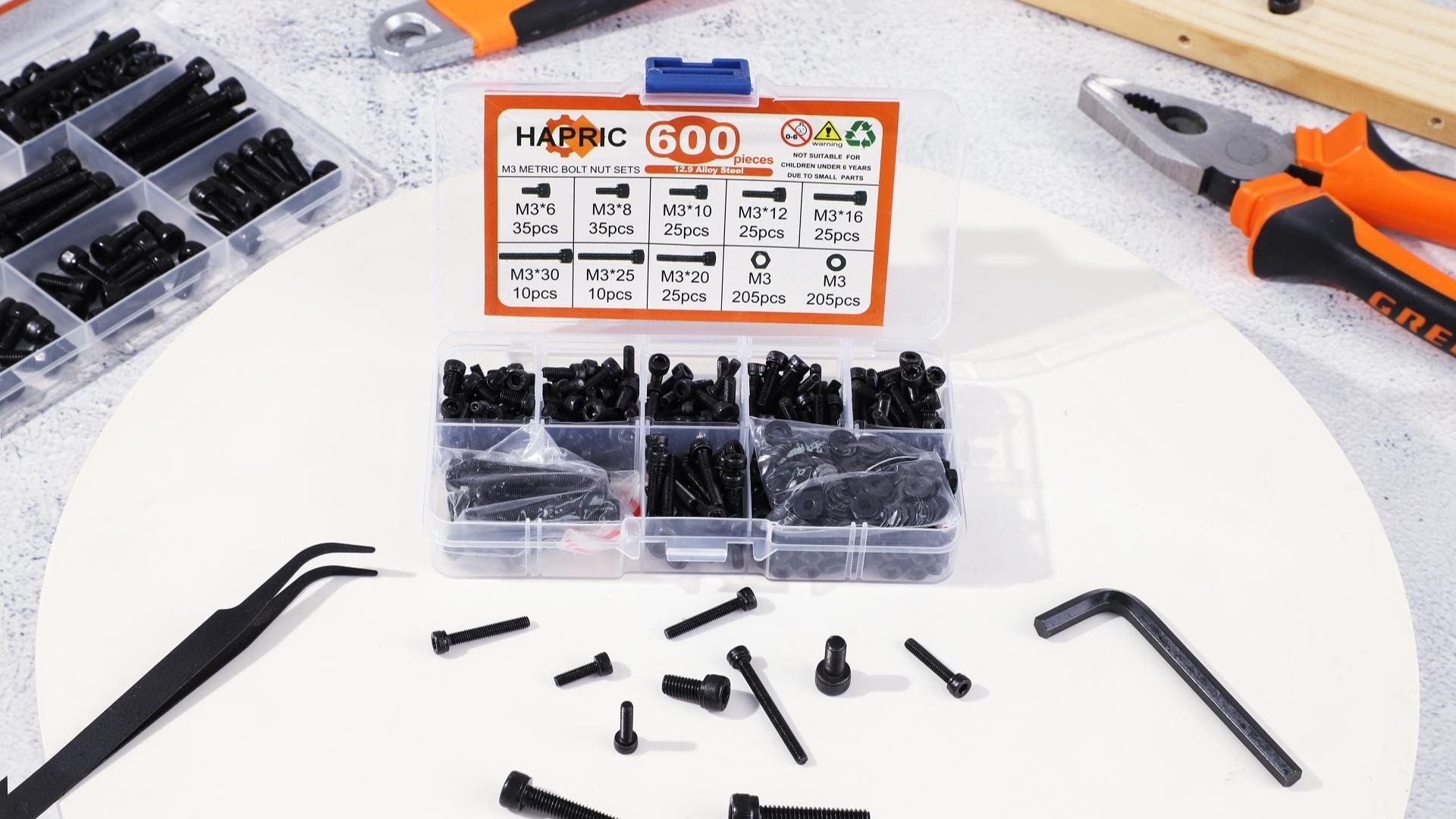
To be clear: the fluted dowel pins in our kit are 30 to 50 mm long and made for glued furniture joints, not for a door track. For the sliding-door rod you want a full-length dowel from the lumber yard. Our pins come in when the burglar-proof house also needs its shelves, chairs and cabinets to stay tight, and the screw eyes from the same drawer make the handle on the rod.